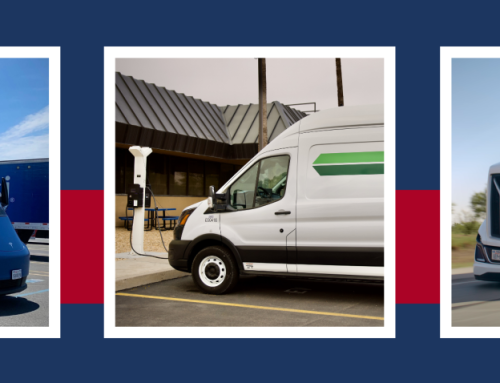
Visit this link to learn about the refueling infrastructure, vehicles and commercial lawn Incentive Programs which hopes to increase propane autogas in Minnesota. As Minnesota fleets continue exploring ways to reduce emissions, improve operational efficiency, and manage costs, propane autogas continues to demonstrate its value as a practical alternative transportation fuel.
Across the state, propane autogas has moved beyond the pilot stage and into everyday operation. More than 1,100 propane school buses transport students in nearly 70 Minnesota school districts, making Minnesota one of the nation’s leaders in propane school bus adoption. Propane autogas is also used in a variety of fleet applications across Minnesota and North America, including school transportation, paratransit, commercial delivery, and other medium-duty operations.
Fleet managers consistently identify four key advantages when evaluating propane autogas: affordability, reliability, operational simplicity, and emissions reductions.
From a financial perspective, propane autogas helps reduce total operating costs through competitive fuel pricing and lower maintenance requirements compared with many diesel-powered vehicles. Because propane engines do not require diesel exhaust fluid (DEF) or diesel particulate filter (DPF) regeneration systems, fleets often experience reduced maintenance complexity, less downtime, and more predictable operating budgets.
Performance is equally important, particularly in Minnesota’s demanding climate. Propane autogas vehicles provide dependable cold-weather starting, consistent power, and the range needed for daily fleet operations. Their familiar operation allows drivers and maintenance personnel to transition easily while continuing to meet the performance expectations of demanding duty cycles.
Infrastructure is another reason many organizations consider propane. On-site fueling systems are relatively affordable, can often be installed quickly, and can expand alongside fleet growth. Because propane is transported and stored independently of the electric grid, it also offers an added measure of energy resilience during emergencies or power disruptions. Existing propane infrastructure throughout Minnesota further supports fleet operations in communities of all sizes.
Environmental performance remains an important part of the conversation. Propane autogas helps reduce nitrogen oxide (NOx) emissions and greenhouse gas emissions compared with conventional transportation fuels while providing an immediate pathway for fleets seeking to lower their environmental impact without significant changes to daily operations.
Every fleet operates under its own set of priorities, including budget, vehicle range, infrastructure, operational requirements, and sustainability goals. No single technology is the right solution for every application. Providing fleet managers with multiple alternative fuel options allows them to select the technology that best fits their unique operational needs.
Minnesota’s experience demonstrates that propane autogas is not simply an emerging technology—it is a proven transportation energy solution. As organizations continue evaluating pathways toward cleaner transportation, propane offers an established option that combines environmental benefits with the reliability, affordability, and performance that fleets depend on every day.
Find more information on Autogas Incentive Programs at Autogas – Minnesota Propane Association, MN.
Join the North American Council for Freight Efficiency (NACFE) for a webinar on using propane in mid-range trucks on July 29 at 1 p.m. Gain insights on how propane autogas is helping fleets lower costs and reduce emissions while maintaining reliability from fleet experts already using propane-powered trucks. Register here.